
Delving into the art of caring for rose bushes in the garden, this guide immerses readers in a captivating journey of cultivation, offering invaluable insights and practical tips to nurture these exquisite blooms. Whether you’re a seasoned gardener or a budding enthusiast, this comprehensive resource will empower you to create a thriving rose garden that will delight your senses and enhance your outdoor space.
From selecting the perfect varieties to understanding their specific needs, we’ll explore every aspect of rose bush care, ensuring your roses flourish and captivate with their vibrant beauty.
Understanding Rose Bush Care
Rose bushes are a beautiful and rewarding addition to any garden, but they do require some special care to thrive. Proper rose bush care can help your plants produce more blooms, resist diseases and pests, and live longer. Here are a few tips to help you get started.
Selecting the Right Rose Varieties
The first step in caring for rose bushes is selecting the right varieties for your garden. There are many different types of roses, each with its own unique set of needs. Some roses are more tolerant of heat and drought than others, while others are more resistant to diseases.
When choosing roses, it’s important to consider your climate and the amount of time you’re willing to spend on care.
Ideal Soil Conditions
Roses prefer well-drained soil that is rich in organic matter. The ideal pH for roses is between 6.0 and 6.5. If your soil is not well-drained, you can improve it by adding compost or peat moss. You can also add a layer of mulch around your roses to help retain moisture and suppress weeds.
Sunlight Requirements
Roses need at least six hours of sunlight per day to produce the best blooms. If your garden does not receive enough sunlight, you can try growing roses in a container and moving them to a sunnier spot during the day.
You can also try growing roses in a greenhouse or under a grow light.
Planting and Establishing Rose Bushes: Caring For Rose Bushes In The Garden

Planting rose bushes is a rewarding task that can bring years of beauty to your garden. Follow these tips to ensure your rose bushes thrive:
Best Time to Plant
The best time to plant rose bushes is in the spring or fall when the weather is cool and the soil is workable. Avoid planting in the summer heat or winter cold.
Planting Techniques
Dig a hole twice as wide as the root ball and just as deep. Place the rose bush in the hole and backfill with soil, gently firming it around the roots. Water deeply after planting.
Spacing
Space rose bushes 2-3 feet apart to allow for good air circulation and prevent disease.
Watering and Mulching
Water your rose bushes regularly, especially during the first growing season. Mulch around the bushes with organic matter, such as compost or bark, to retain moisture and suppress weeds.
Pruning Rose Bushes

Pruning is essential for maintaining healthy and beautiful rose bushes. It encourages new growth, improves flowering, and helps control the size and shape of the plant. There are different types of pruning, each with its specific purpose and timing.
Types of Pruning
Deadheading:This involves removing spent blooms to encourage the plant to produce more flowers. It should be done regularly throughout the growing season. Suckering:Suckers are shoots that grow from the rootstock below the graft union. They should be removed as they can weaken the plant and reduce flowering.
Summer Pruning:This is done in mid-summer to remove old or weak canes and encourage new growth. It helps improve air circulation and reduce disease. Fall Pruning:This is the most extensive type of pruning and is done in late fall or early spring before new growth begins.
Nurturing rose bushes in the garden requires patience and care, just like evoking genuine tears in comedy performance. Just as we tend to our roses, comedians employ simple tricks to elicit emotions. Their carefully crafted words, like delicate petals, resonate with our hearts, leaving us both moved and entertained.
As we admire the vibrant blooms of our roses, we can appreciate the artistry of comedy that touches our souls.
It involves removing dead, diseased, or weak canes, as well as shaping the plant.
Pruning Specific Rose Types
Hybrid Tea Roses:These roses are pruned in late winter or early spring. Remove all dead or weak canes, and cut back the remaining canes to 12-18 inches in height. Grandiflora Roses:These roses are pruned similarly to hybrid tea roses, but they can be cut back slightly less.
Climbing Roses:These roses are pruned in late winter or early spring. Remove any dead or diseased canes, and tie the remaining canes to a support structure. Cut back any long or unruly canes to encourage new growth.
Fertilizing Rose Bushes
Fertilizing rose bushes is essential for providing them with the nutrients they need to thrive. The essential nutrients for rose bush growth are nitrogen, phosphorus, and potassium.
Nitrogen promotes leaf growth and overall plant vigor. Phosphorus encourages root development and flowering. Potassium helps with disease resistance and overall plant health.
Types of Fertilizers
There are two main types of fertilizers: organic and inorganic.
- Organic fertilizersare made from natural materials, such as manure, compost, and bone meal. They release nutrients slowly over time, and they help to improve the soil structure.
- Inorganic fertilizersare made from synthetic materials. They release nutrients quickly, and they are more concentrated than organic fertilizers.
The best type of fertilizer for rose bushes is a balanced fertilizer that contains all three of the essential nutrients. You can choose a fertilizer that is specifically designed for roses, or you can use a general-purpose fertilizer.
Fertilizing Schedule
Rose bushes should be fertilized every 4-6 weeks during the growing season. The best time to fertilize is in the early morning or evening, when the leaves are dry.
To fertilize, simply sprinkle the fertilizer around the base of the rose bush. Water the fertilizer in well.
Watering Rose Bushes

Roses require regular watering to thrive. They prefer moist but well-drained soil. Watering frequency and amount should be adjusted based on the climate, soil type, and plant size.
Watering Frequency
- During the growing season, roses should be watered deeply and infrequently, allowing the soil to dry out slightly between waterings.
- In hot, dry weather, roses may need to be watered more frequently, such as every 2-3 days.
- In cooler, rainy climates, roses may only need to be watered once a week or less.
Watering Amount
- When watering roses, soak the soil deeply to encourage deep root growth.
- Avoid overwatering, as this can lead to root rot and other problems.
- A good rule of thumb is to water until the water begins to drain from the bottom of the pot or planting hole.
Tips for Watering Roses in Hot, Dry Weather
- Water roses early in the morning or late in the evening to reduce evaporation.
- Use a soaker hose or drip irrigation system to deliver water directly to the roots.
- Mulch around the roses to help retain moisture in the soil.
Pest and Disease Control for Rose Bushes
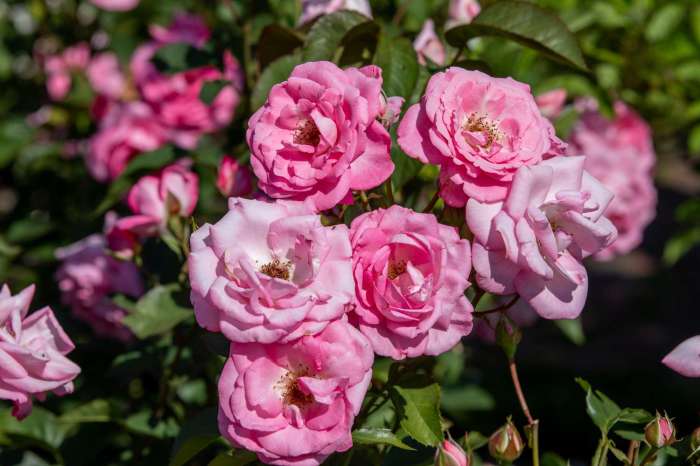
Rose bushes are susceptible to a variety of pests and diseases that can damage their foliage, flowers, and overall health. By identifying and treating these problems promptly, you can keep your roses looking their best and prevent serious damage.
Some of the most common pests that affect rose bushes include aphids, spider mites, thrips, and Japanese beetles. These pests can cause a variety of symptoms, including stunted growth, yellowing leaves, and distorted flowers. Diseases that commonly affect rose bushes include black spot, powdery mildew, and rust.
These diseases can cause unsightly spots on the leaves, stems, and flowers, and can eventually lead to defoliation and death.
Treatment
The best way to control pests and diseases on rose bushes is to prevent them from occurring in the first place. This can be done by providing your roses with proper care, including regular watering, fertilizing, and pruning. You should also inspect your roses regularly for signs of pests or diseases, and take steps to treat any problems promptly.
If you do find pests or diseases on your rose bushes, there are a variety of treatment options available. Insecticides and fungicides can be used to control pests and diseases, but it is important to read and follow the instructions carefully before using any of these products.
Prevention
In addition to proper care and treatment, there are a number of things you can do to help prevent pests and diseases from affecting your rose bushes. These include:
- Planting your roses in a sunny location with good drainage.
- Watering your roses deeply and regularly, but avoid overwatering.
- Fertilizing your roses regularly with a balanced fertilizer.
- Pruning your roses regularly to remove dead or diseased wood.
- Inspecting your roses regularly for signs of pests or diseases, and taking steps to treat any problems promptly.
Troubleshooting Common Rose Bush Problems
Rose bushes are susceptible to various problems that can affect their health and appearance. Understanding the causes and solutions for these issues is crucial for maintaining healthy and beautiful rose bushes.
Yellowing Leaves
Yellowing leaves can indicate several problems:*
-*Iron deficiency
Leaves turn pale green or yellow due to insufficient iron in the soil.
-
-*Nitrogen deficiency
Lack of nitrogen causes overall yellowing of leaves, starting from the older ones.
-*Overwatering
Excessive watering can lead to waterlogged soil, hindering root oxygenation and causing leaves to turn yellow.
-*Nutrient burn
Overfertilizing can burn the roots, resulting in yellowing leaves.
Solutions:* Apply iron chelate to address iron deficiency.
- Fertilize with a nitrogen-rich fertilizer to correct nitrogen deficiency.
- Adjust watering frequency to prevent overwatering.
- Flush the soil with water to remove excess fertilizer if nutrient burn is suspected.
Black Spot
Black spot is a fungal disease that causes dark, circular spots on leaves, leading to premature defoliation.Causes:* Wet and humid conditions
Just like caring for rose bushes in the garden requires understanding their needs and responding with empathy, evoking tears in comedy relies on connecting with the audience through relatable experiences. How To Use Empathy And Relatability To Evoke Tears In Comedy explores this concept, showing how humor can resonate deeply when it taps into shared emotions and human truths.
Returning to our rose bushes, providing the right nourishment and care ensures their well-being, just as infusing comedy with empathy and relatability cultivates an emotional connection that leaves audiences moved and entertained.
Poor air circulation
When you’re nurturing your rose bushes in the garden, it’s essential to understand their specific needs. To ensure they thrive and produce vibrant blooms, you may want to explore techniques for caring for large trees . By implementing similar principles, you can create an optimal environment for your rose bushes to flourish and beautify your garden.
Solutions:* Remove infected leaves and dispose of them away from the rose bushes.
- Apply a fungicide containing chlorothalonil or propiconazole.
- Improve air circulation by pruning and spacing bushes adequately.
Powdery Mildew
Powdery mildew is a fungal disease that manifests as a white, powdery substance on leaves and stems.Causes:* Cool, humid conditions
Lack of air circulation
Solutions:* Remove infected leaves and stems.
- Apply a fungicide containing sulfur or neem oil.
- Increase air circulation by pruning and spacing bushes properly.
- Avoid overwatering.
Designing a Rose Garden
Creating a rose garden is a rewarding experience that can add beauty and fragrance to your landscape. Whether you are a beginner or an experienced gardener, there are a few key principles to keep in mind when designing your rose garden.
These include layout, color schemes, and companion planting.
Layout
The layout of your rose garden will depend on the size and shape of your space, as well as your personal preferences. If you have a small space, you may want to consider a formal rose garden with geometric beds and paths.
Tending to rose bushes in the garden is a fulfilling hobby, but did you know it can also contribute to reducing the Urban Heat Island Effect? Urban Heat Island Effect Reduction refers to the phenomenon where cities are significantly warmer than surrounding rural areas.
By planting lush greenery like rose bushes, we can create a cooling effect through evapotranspiration, where plants release water vapor into the atmosphere, reducing urban temperatures and making our gardens and cities more comfortable.
If you have a larger space, you may want to create an informal rose garden with winding paths and beds of varying shapes and sizes.
Color Schemes, Caring for rose bushes in the garden
When choosing roses for your garden, it is important to consider the color scheme you want to create. You can choose to plant roses in a single color, or you can create a more varied color scheme by planting roses in different colors.
If you are planting roses in a single color, you can create a dramatic effect by planting them in mass. If you are planting roses in different colors, you can create a more subtle and sophisticated look by planting them in smaller groups or as individual specimens.
Companion Planting
Companion planting is a great way to improve the health and appearance of your roses. By planting roses with other plants that have complementary needs, you can create a more balanced and sustainable ecosystem in your garden. Some good companion plants for roses include lavender, rosemary, thyme, and marigolds.
Concluding Remarks
As you embark on this horticultural adventure, remember that caring for rose bushes is a labor of love, and the rewards are immeasurable. By providing the right environment, nourishment, and attention, you’ll witness the transformation of your garden into a fragrant oasis, where these enchanting blooms will grace your landscape with their timeless elegance and captivating charm.
FAQ Corner
What are the most important factors to consider when choosing a rose variety?
When selecting rose varieties, consider factors such as climate suitability, disease resistance, bloom size and shape, fragrance, and desired growth habit.
How often should I water my rose bushes?
Water your rose bushes deeply and regularly, especially during hot, dry weather. Aim to provide approximately 1-2 inches of water per week.
What is the best time of year to prune rose bushes?
The optimal time for pruning rose bushes varies depending on your climate. Generally, it’s recommended to prune in late winter or early spring before new growth begins.
