
Sushi, a delectable Japanese culinary creation, is renowned for its harmonious blend of flavors, textures, and visual appeal. Among its essential accompaniments, wasabi stands out as an intriguing condiment that not only enhances the taste experience but also plays a significant role in sushi’s preservation and cultural significance.
In this exploration, we delve into the multifaceted reasons why sushi and wasabi form an inseparable duo, examining their historical origins, antimicrobial properties, sensory contributions, and cultural nuances.
Wasabi’s integration into sushi preparation is deeply rooted in Japanese culinary traditions, dating back centuries. Its pungent flavor and antimicrobial qualities made it an ideal complement to raw fish, ensuring both taste and safety. As sushi gained popularity beyond Japan’s shores, wasabi became an integral part of the sushi experience, symbolizing authenticity and adherence to traditional practices.
Historical Origins of Wasabi in Sushi

Wasabi, a pungent Japanese horseradish, has played a significant role in Japanese cuisine for centuries. It was traditionally used as a condiment to enhance the flavors of various dishes, including sushi. The pairing of wasabi with sushi has specific reasons rooted in tradition and culinary practices.
Role of Wasabi in Japanese Cuisine
Wasabi’s unique辛み (karami), or spicy flavor, has made it a versatile ingredient in Japanese cooking. Its antibacterial properties have also been valued for centuries, contributing to its role as a condiment for raw fish dishes like sushi.
Pairing Wasabi with Sushi
The specific pairing of wasabi with sushi emerged as a way to complement the delicate flavors of the raw fish. Wasabi’s辛み adds a subtle kick that enhances the umami taste of the fish without overpowering it. Additionally, wasabi helps to balance the fattiness of the fish, creating a harmonious taste experience.
Cultural Significance
In Japanese culture, wasabi is not merely a condiment but an integral part of the sushi-making process. The preparation of wasabi is often seen as an art form, with skilled chefs taking pride in grating fresh wasabi root into a smooth paste.
The presence of wasabi on a sushi plate is considered a sign of respect for the tradition and craftsmanship involved in sushi preparation.
Antimicrobial Properties of Wasabi
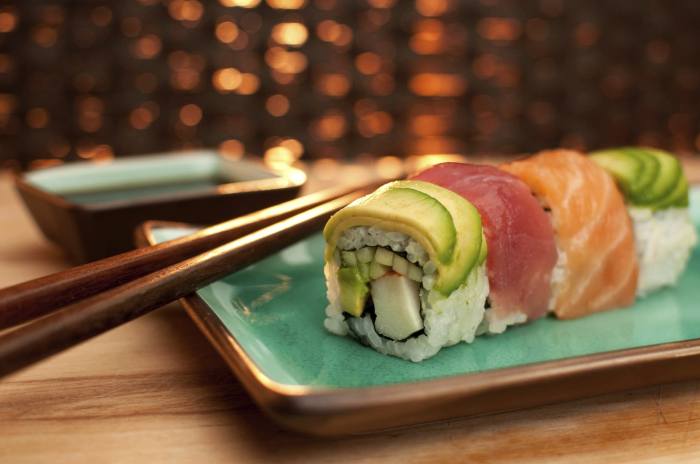
Wasabi, a pungent condiment used in Japanese cuisine, possesses remarkable antimicrobial properties that contribute to the preservation of sushi and prevention of spoilage.
The antimicrobial activity of wasabi stems from various compounds, including isothiocyanates, which are sulfur-containing compounds responsible for the characteristic辛味 (karami) or spiciness of wasabi.
Isothiocyanates
- Wasabi contains a group of isothiocyanates, including 6-methylsulfinylhexyl isothiocyanate (6-MSITC), which exhibits strong antimicrobial activity against a wide range of bacteria, viruses, and fungi.
- 6-MSITC has been shown to inhibit the growth of common foodborne pathogens such as Escherichia coli, Salmonella, and Listeria monocytogenes, which can cause food poisoning and other illnesses.
Flavor and Sensory Enhancement
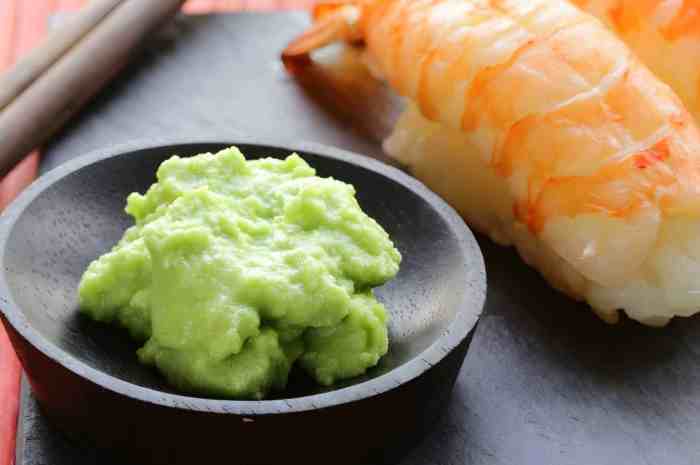
Wasabi possesses a distinct and complex flavor profile that complements the delicate flavors of sushi. Its pungent, slightly spicy taste provides a sharp contrast to the mildness of the fish and rice, creating a harmonious balance of flavors. The unique blend of compounds in wasabi, including isothiocyanates and glucosinolates, stimulates the senses, enhancing the overall taste experience.
Sensory Stimulation
Wasabi’s pungent aroma and sharp flavor activate various receptors in the nose and mouth, triggering a cascade of sensory responses. The volatile compounds in wasabi interact with olfactory receptors in the nasal cavity, creating a distinct smell. Simultaneously, the spicy compounds interact with taste receptors on the tongue, stimulating a burning sensation.
This combination of olfactory and gustatory stimulation enhances the perception of flavors and creates a memorable taste experience.
Balancing Flavors
The intense flavor of wasabi acts as a counterbalance to the subtle flavors of sushi ingredients. By adding a touch of spiciness, wasabi helps to elevate the taste of the fish and rice, preventing the dish from becoming bland or monotonous.
The sharpness of wasabi cuts through the fattiness of the fish, creating a refreshing and well-rounded flavor profile.
Cultural Significance and Etiquette

In Japan, the serving of wasabi with sushi holds cultural significance and is deeply rooted in tradition. Wasabi’s pungent flavor and antimicrobial properties complement the delicate flavors of sushi, while its use reflects Japanese customs and etiquette.
Proper etiquette dictates that wasabi be used sparingly, typically about a pea-sized amount, and applied directly to the sushi, not the soy sauce. Mixing wasabi into the soy sauce is considered disrespectful, as it can alter the delicate balance of flavors in both the sushi and the sauce.
Etiquette and Customs
- Use wasabi sparingly, approximately a pea-sized amount.
- Apply wasabi directly to the sushi, not the soy sauce.
- Avoid mixing wasabi into the soy sauce.
- Respect the chef’s presentation and do not alter the sushi by overusing wasabi.
Variations and Adaptations
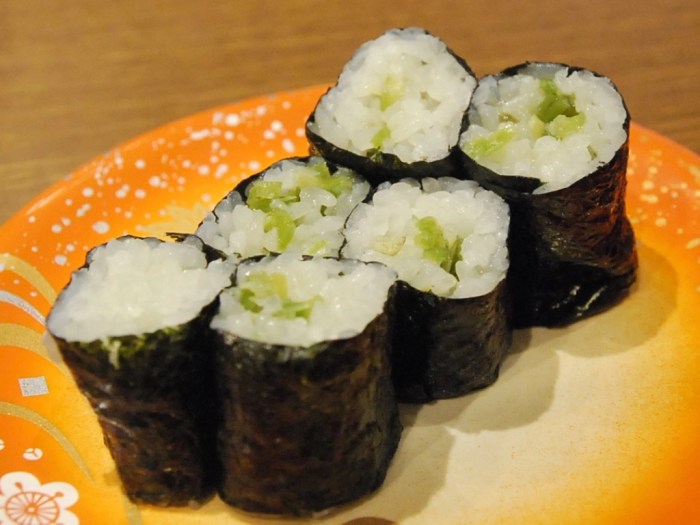
Wasabi used in sushi exhibits variations in form and preparation, influenced by regional preferences and culinary innovation.
Fresh Wasabi
Fresh wasabi, known as “hon-wasabi” or “nama-wasabi,” is the most prized and flavorful variety. Its delicate texture and intense aroma enhance the sushi experience.
Dried Wasabi
Dried wasabi, called “karashi-wasabi,” is a powdered form of wasabi root. It is convenient to store and transport, and its flavor can be adjusted by varying the amount of water added.
Powdered Wasabi
Powdered wasabi is the most common form found outside of Japan. It is made from dried wasabi root that is ground into a fine powder. While it lacks the freshness of fresh wasabi, it provides a consistent level of heat and flavor.
Regional Variations
In different regions of Japan, wasabi is used in varying amounts and preparations. In the Kanto region (Tokyo area), wasabi is typically served separately from the sushi, allowing diners to adjust the heat to their preference. In the Kansai region (Osaka area), wasabi is often mixed into the soy sauce, resulting in a more intense flavor.
Modern Adaptations
Modern culinary innovations have led to unique adaptations of wasabi in fusion dishes. Chefs incorporate wasabi into sauces, marinades, and even desserts, adding a distinctive flavor and spice to various cuisines.
Final Conclusion
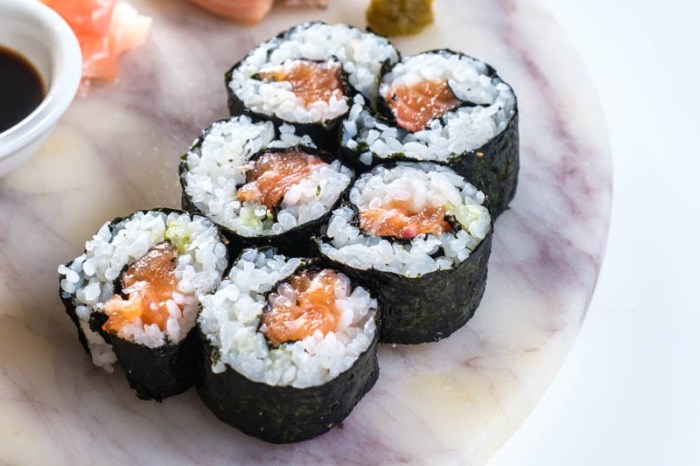
In conclusion, the marriage of sushi and wasabi is a testament to the intricate interplay between flavor, preservation, and cultural heritage. Wasabi’s antimicrobial properties safeguard sushi’s freshness, while its distinctive taste profile elevates the sensory experience. The cultural significance of wasabi in sushi preparation reflects Japan’s deep-rooted culinary traditions and etiquette.
As sushi continues to captivate taste buds worldwide, the presence of wasabi remains an essential element, adding a unique dimension to this beloved dish.
FAQs
Why is wasabi green?
Wasabi’s vibrant green color comes from a compound called chlorophyll, the same pigment responsible for the green color in plants. When wasabi is grated or crushed, chlorophyll is released, giving it its characteristic hue.
Is wasabi a root or a stem?
Wasabi is neither a root nor a stem. It is a rhizome, a modified underground stem that stores nutrients and energy for the plant.
Can you eat wasabi raw?
Yes, wasabi can be eaten raw. However, it is extremely spicy and should be consumed in small amounts. Grating fresh wasabi root produces the most potent and flavorful experience.
