
Imagine biting into a crisp, juicy apple or savoring the sweetness of a sun-ripened peach, all grown in your own backyard. Planting fruit trees is a rewarding and accessible hobby that allows you to enjoy fresh, delicious fruit while connecting with nature and the satisfaction of growing your own food.
This beginner’s guide will provide you with the essential knowledge and steps to successfully plant and care for fruit trees, transforming your garden into a bountiful orchard.
From selecting the right varieties to mastering pruning and pest management techniques, we’ll cover everything you need to know to cultivate a thriving fruit tree orchard. Get ready to embark on a journey of flavor, beauty, and the joy of harvesting your own homegrown fruit.
Introduction
Planting fruit trees is a rewarding and enjoyable experience for beginners. Growing your own fruit offers numerous benefits, including cost savings, freshness, and a wide variety of options.
Growing your own fruit can save you money in the long run. Fruit trees can produce fruit for many years, so you won’t have to buy fruit from the store as often. You can also save money by choosing varieties that are resistant to pests and diseases, which will reduce the need for expensive pesticides and fertilizers.
Benefits of Freshness
Fresh fruit tastes better than store-bought fruit. Store-bought fruit is often picked before it is fully ripe, so it doesn’t have the same flavor as fruit that is picked fresh from the tree. Fresh fruit is also more nutritious than store-bought fruit, as it contains more vitamins, minerals, and antioxidants.
Variety of Options
When you grow your own fruit, you have a wider variety of options to choose from. You can choose from a variety of different varieties of fruit, each with its own unique flavor and texture. You can also choose to grow fruit that is not available in stores, such as exotic fruits or heirloom varieties.
Selecting the Right Fruit Trees
Choosing the right fruit trees for your garden is crucial for a successful and rewarding harvest. Several factors need consideration, including climate, soil conditions, and personal preferences.
Climate
Research the climate in your area to determine which fruit trees are best suited for your conditions. Consider factors such as average temperatures, rainfall, and hardiness zones. Some trees, like citrus, thrive in warm climates, while others, like apples, prefer cooler regions.
Soil Conditions
The soil in your garden plays a vital role in the health and productivity of your fruit trees. Test your soil to determine its pH, nutrient levels, and drainage. Some trees, like blueberries, require acidic soil, while others, like peaches, prefer alkaline conditions.
Good drainage is essential to prevent root rot.
Personal Preferences
Ultimately, the choice of fruit trees should align with your personal preferences. Consider the types of fruits you and your family enjoy, as well as the size and shape of the trees that best suit your garden space. Some trees, like dwarf varieties, are ideal for small gardens, while others, like standard-size trees, require more space.
Research and Selection
Once you have considered these factors, research different fruit tree varieties to find those that are best suited for your needs. Read reviews, consult with local nurseries, and visit botanical gardens to learn more about the different options available. Select trees that are disease-resistant, have good fruit production, and are suitable for your climate and soil conditions.
Preparing the Planting Site
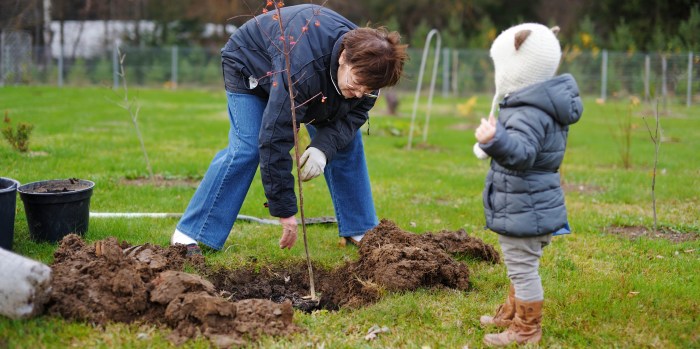
The success of your fruit trees largely depends on selecting the ideal location and preparing the soil properly. Let’s dive into the key aspects of site preparation to ensure a thriving orchard.
Sunlight: Fruit trees need ample sunlight to produce fruit. Choose a location that receives at least 6-8 hours of direct sunlight per day. Avoid areas with obstructions like buildings or tall trees that can cast shade.
Drainage
Good drainage is crucial to prevent waterlogging, which can lead to root rot and other problems. Choose a site with well-drained soil or consider installing drainage systems if necessary.
Space
Consider the mature size of the fruit trees you plan to plant and provide adequate spacing between them. This will ensure proper air circulation, sunlight penetration, and ease of maintenance.
Soil Preparation
Before planting, it’s essential to prepare the soil to create a favorable environment for root growth and nutrient absorption.
- Clear Debris: Remove any weeds, rocks, or other debris from the planting site.
- Tilling: Till the soil to a depth of 12-18 inches to loosen it and improve drainage. If the soil is compacted, consider using a rototiller or hiring a professional for deep tilling.
- Amendments: Depending on your soil type, you may need to add amendments to improve its structure and fertility. Common amendments include compost, manure, and organic matter.
By following these steps, you’ll create an ideal environment for your fruit trees to thrive and produce bountiful harvests in the years to come.
Planting the Fruit Trees
Planting fruit trees is a rewarding endeavor that can provide fresh, delicious fruits for years to come. By following proper techniques, you can ensure that your trees thrive and produce abundant harvests.
Selecting the Right Location
Choose a planting site that receives at least six hours of direct sunlight per day. The soil should be well-drained, fertile, and have a pH between 6.0 and 7.0. Avoid areas with strong winds or excessive shade.
Preparing the Planting Hole
Dig a hole that is twice as wide as the root ball and just as deep. Place the tree in the hole, ensuring that the graft union is above the soil line. Backfill the soil around the tree, tamping it down gently to remove air pockets.
Water the tree thoroughly to settle the soil and promote root growth.
Mulching
Apply a layer of mulch around the tree to retain moisture and suppress weeds. Use organic materials such as compost, shredded leaves, or bark. Keep the mulch a few inches away from the trunk to prevent rot.
Caring for Fruit Trees
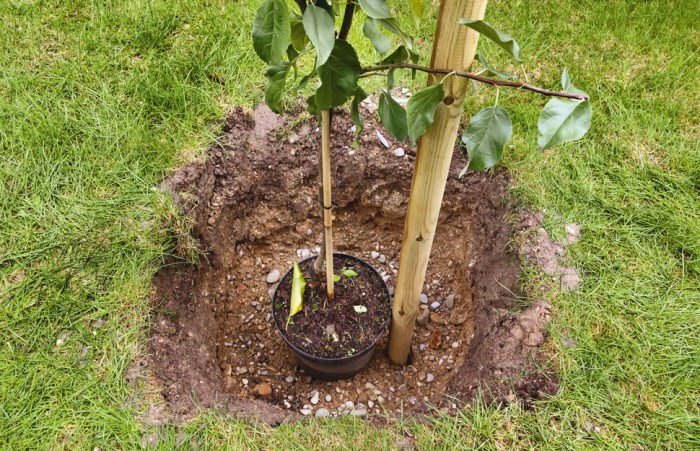
Fruit trees require ongoing care to ensure optimal growth, productivity, and longevity. This includes regular pruning, fertilizing, and pest management. By following proper care practices, you can maintain healthy and thriving fruit trees that produce bountiful harvests year after year.
Pruning
Pruning is an essential practice for maintaining the health and productivity of fruit trees. It involves selectively removing certain branches and shoots to promote new growth, control tree size and shape, and improve fruit quality.
- When to Prune: Prune fruit trees during the dormant season, typically late winter or early spring before new growth begins. Avoid pruning in the fall, as this can stimulate new growth that may be damaged by winter frost.
- How to Prune: Use sharp, clean pruning shears or loppers to make clean cuts. Remove dead, diseased, or damaged branches. Thin out crowded branches to allow for better air circulation and light penetration. Cut back long, vigorous shoots to encourage branching and fruit production.
Fertilizing
Fertilizing provides essential nutrients for healthy growth and fruit production. The specific fertilizer needs of fruit trees vary depending on the species, soil type, and climate.
- When to Fertilize: Apply fertilizer in the spring before new growth begins and again in the fall after harvest. Avoid fertilizing in the summer, as this can stimulate excessive vegetative growth at the expense of fruit production.
- What Fertilizer to Use: Choose a balanced fertilizer that contains nitrogen, phosphorus, and potassium (NPK). The ideal NPK ratio for fruit trees is typically around 10-10-10 or 12-12-12. You can also use organic fertilizers, such as compost or manure, to provide a slow-release source of nutrients.
Pest Management
Fruit trees are susceptible to a variety of pests and diseases that can damage leaves, fruit, and branches. Regular monitoring and early intervention are key to preventing and controlling pest problems.
- Common Pests: Some common pests of fruit trees include aphids, spider mites, scale insects, codling moths, and plum curculios. These pests can cause damage by feeding on leaves, fruit, or stems, reducing yields and weakening the tree.
- Common Diseases: Common diseases of fruit trees include apple scab, powdery mildew, and fire blight. These diseases can cause leaf spots, fruit rot, and canker formation, leading to reduced fruit production and tree decline.
- Pest and Disease Control: To control pests and diseases, use a combination of cultural practices, such as pruning, mulching, and crop rotation, along with chemical or biological controls as needed. Regularly inspect trees for signs of pests or diseases, and take prompt action to address any problems.
Harvesting and Storing Fruit
Harvesting and storing fruit at the right time is crucial to maintain its freshness, quality, and nutritional value. Different types of fruit exhibit unique signs of ripeness, and it’s essential to recognize these indicators to ensure optimal flavor and texture.
When harvesting fruit, handle it gently to avoid bruising or damaging the delicate skin. Use clean, sharp tools to ensure precise cuts and minimize damage to the fruit. Store fruit in a cool, dry place with good air circulation to prevent spoilage and maintain its freshness.
Signs of Ripeness
The signs of ripeness vary depending on the type of fruit. Here are some general indicators to look for:
- Color: As fruit ripens, its color often changes. For example, apples turn from green to red, and bananas transition from green to yellow.
- Smell: Ripe fruit typically emits a sweet, fragrant aroma. A strong, pungent odor may indicate overripeness.
- Texture: Ripe fruit is often slightly soft to the touch. Avoid fruit that is too hard or mushy.
- Taste: If you’re unsure about the ripeness of a fruit, taste a small piece. Ripe fruit should be sweet and juicy.
Harvesting and Storage Tips
To ensure the best quality and freshness, follow these tips when harvesting and storing fruit:
- Harvest in the morning: The morning hours offer cooler temperatures, reducing the risk of fruit damage during harvesting.
- Use clean tools: Always use clean, sharp tools to harvest fruit. Dirty tools can introduce bacteria and increase the risk of spoilage.
- Handle fruit gently: Avoid squeezing or bruising fruit during harvesting and storage. Handle fruit by the stem or base to minimize damage.
- Store fruit properly: Store fruit in a cool, dry place with good air circulation. Some fruits, such as apples and pears, can be stored at room temperature, while others, like berries, require refrigeration.
- Check fruit regularly: Regularly inspect stored fruit for signs of spoilage or overripening. Remove any damaged or overripe fruit to prevent spoilage.
Common Challenges and Solutions
Planting and caring for fruit trees can be rewarding, but beginners may encounter challenges that can affect the health and productivity of their trees. These challenges include poor soil conditions, pests, and diseases.
Understanding these challenges and implementing practical solutions can help ensure the success of your fruit trees.
Poor Soil Conditions
Fruit trees require well-draining soil with a pH that is suitable for the specific species. Poor soil conditions can lead to nutrient deficiencies, root rot, and other problems.
- Solution: Test your soil before planting to determine its pH and nutrient levels. Amend the soil as needed to improve drainage, pH, and fertility.
- Tip: Incorporate organic matter, such as compost or manure, to improve soil structure and fertility.
Pests
Pests, such as aphids, mites, and borers, can damage fruit trees and reduce yields. Early detection and management are essential to prevent significant damage.
- Solution: Regularly inspect your trees for signs of pests. Use organic or chemical pest control methods, as appropriate, to manage pest populations.
- Tip: Encourage beneficial insects, such as ladybugs and lacewings, to help control pests naturally.
Diseases
Diseases, such as fire blight, powdery mildew, and scab, can affect fruit trees and cause significant damage. Proper cultural practices and disease management strategies can help prevent and control diseases.
- Solution: Choose disease-resistant varieties of fruit trees. Practice good sanitation by removing diseased plant material and cleaning pruning tools.
- Tip: Apply fungicides, if necessary, to prevent or control diseases.
Introduction
In a world where fresh, wholesome food is becoming increasingly scarce, growing your own fruit trees is a rewarding and fulfilling endeavor. Embark on this journey of cultivating nature’s bounty, reaping the rewards of delicious, nutritious fruits while connecting with the earth and experiencing the joy of self-sufficiency.
Whether you’re a seasoned gardener or a novice enthusiast, the world of fruit tree cultivation beckons you to explore its myriad wonders. Discover the art of nurturing these living treasures, witnessing the transformation of tiny saplings into flourishing trees laden with delectable fruits, a testament to your dedication and care.
Benefits of Growing Fruit Trees
Growing your own fruit trees offers a plethora of benefits that extend beyond the mere consumption of fresh fruits. Indulge in the following advantages:
- Health and Nutrition: Fresh fruits are nutritional powerhouses, brimming with vitamins, minerals, and antioxidants that shield your body from various ailments. By growing your own fruit, you can ensure a steady supply of these health-giving gems.
- Sense of Accomplishment: Witnessing the fruits of your labor, literally, is an incredibly rewarding experience. Nurturing a fruit tree from a sapling to a bountiful bearer of delicious produce instills a sense of accomplishment and pride.
- Economic Benefits: Surplus fruits can be sold at local markets or used to create value-added products like jams, jellies, and fruit preserves, generating additional income.
Visual Guide
A visually appealing infographic or flowchart can provide a concise and easy-to-understand overview of the key steps involved in planting and caring for fruit trees. This visual guide can serve as a valuable resource for beginners, helping them grasp the essential information at a glance.
The infographic or flowchart should employ illustrations and concise text to make the information accessible and straightforward. It can be divided into distinct sections, each covering a specific aspect of the process, such as site selection, planting techniques, and ongoing care.
Key Steps in Planting and Caring for Fruit Trees
- Site Selection: Choosing the right location for your fruit trees is crucial. Consider factors like sunlight, soil conditions, and drainage.
- Preparing the Planting Site: Properly preparing the planting site ensures optimal conditions for the trees’ growth. This includes clearing the area, amending the soil, and installing irrigation.
- Planting the Fruit Trees: Follow the proper steps for planting the fruit trees, including digging the holes, positioning the trees, and backfilling with soil.
- Caring for Fruit Trees: Ongoing care is essential for the health and productivity of your fruit trees. This includes watering, fertilizing, pruning, and pest control.
- Harvesting and Storing Fruit: When your fruit trees bear fruit, it’s important to harvest and store them properly to maintain their quality and flavor.
Frequently Asked Questions

Learn the answers to common questions about planting and caring for fruit trees. From choosing the right varieties to dealing with pests and diseases, this FAQ section covers a wide range of topics to help you successfully grow your own fruit trees.
paragraph
Planting
- What is the best time to plant fruit trees?
– The best time to plant fruit trees is in the spring or fall when the weather is cool and the soil is moist. Avoid planting in the summer when the heat and drought can stress the trees. - How far apart should I plant fruit trees?
– The spacing between fruit trees depends on the variety and size of the tree. Dwarf trees can be planted as close as 4-6 feet apart, while standard-size trees may need 15-20 feet or more between them. - How deep should I plant fruit trees?
– Plant fruit trees at the same depth they were growing in the nursery. The graft union, where the rootstock and scion are joined, should be at or slightly above the soil line.
Watering
- How often should I water fruit trees?
– Water fruit trees deeply and infrequently. Aim to give them 1-2 inches of water per week, or more during hot and dry weather. - How can I tell if my fruit trees need water?
– Check the soil moisture by sticking your finger into the soil. If the soil is dry to the touch, it’s time to water. Wilting leaves are also a sign of water stress. - What is the best way to water fruit trees?
– Use a drip irrigation system or a soaker hose to water fruit trees. This method delivers water directly to the roots and minimizes evaporation.
Fertilizing
- What is the best fertilizer for fruit trees?
– Use a balanced fertilizer, such as a 10-10-10 or 12-12-12 fertilizer, for fruit trees. Apply fertilizer in the spring and fall, following the package directions. - How often should I fertilize fruit trees?
– Fertilize fruit trees once or twice a year, depending on the soil quality and the tree’s growth rate. - How much fertilizer should I apply to fruit trees?
– Follow the package directions for the fertilizer you are using. Generally, you should apply about 1 pound of fertilizer per inch of trunk diameter.
Choosing the Right Fruit Tree

Selecting the right fruit tree is crucial for a successful and rewarding experience. Consider factors like your climate, soil conditions, personal preferences, and the type of fruit you desire. Research different fruit tree varieties, their ripening seasons, size, and pollination requirements.
Choose reputable nurseries or online sources for healthy and disease-free trees.
Factors to Consider:
- Climate: Ensure the tree is suitable for your region’s climate, including temperature, humidity, and rainfall.
- Soil Conditions: Consider the soil type, pH, drainage, and fertility. Amend the soil if necessary.
- Personal Preferences: Choose fruit varieties that align with your taste and preferences.
- Fruit Type: Decide on the type of fruit you want, such as apples, pears, peaches, or citrus.
- Ripening Season: Select varieties with ripening seasons that suit your climate and personal preferences.
- Size: Consider the size of the tree at maturity and choose one that fits your available space.
- Pollination Requirements: Understand the pollination requirements of your chosen fruit tree and ensure you have compatible varieties for cross-pollination.
DIY Projects
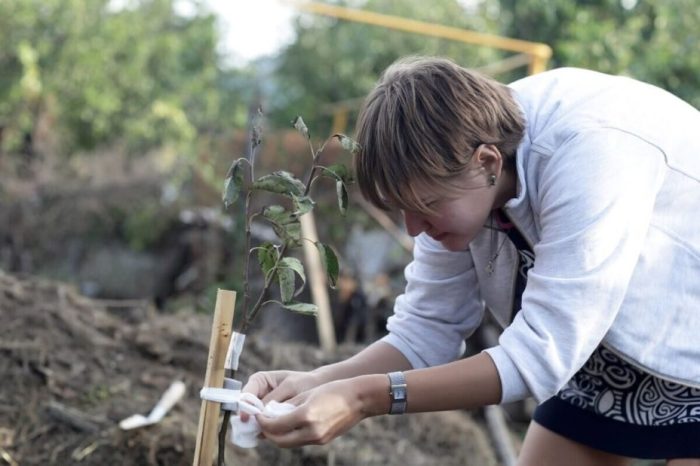
Embark on a rewarding journey of DIY projects related to fruit tree care and experience the satisfaction of nurturing your own orchard. From building a sturdy trellis to crafting an organic pest control solution, these projects offer a delightful blend of creativity, practicality, and connection with nature.
Whether you’re a seasoned DIY enthusiast or just starting out, we’ve compiled a diverse range of projects tailored to different skill levels. Each project is carefully explained with step-by-step instructions, diagrams, and safety precautions, ensuring a smooth and successful experience.
Building a Trellis
Provide detailed instructions for constructing a sturdy trellis to support your fruit trees, including materials list, step-by-step guide, and safety tips.
Explain the benefits of using a trellis, such as improved air circulation, better sunlight exposure, and increased fruit production.
Creating an Organic Pest Control Solution
Offer a step-by-step guide to create an effective organic pest control solution using natural ingredients like neem oil, garlic, and chili peppers.
Discuss the importance of using organic methods to protect your fruit trees from pests and diseases while maintaining a healthy ecosystem.
DIY Bird Feeder
Provide instructions for crafting a charming DIY bird feeder using recycled materials like plastic bottles or wooden pallets.
Explain the benefits of attracting birds to your orchard, such as natural pest control and pollination.
Troubleshooting Section
Address common issues and challenges that DIY enthusiasts might encounter during their projects and provide practical solutions.
Include tips for customizing the projects to suit individual needs and preferences, such as using different materials or adapting the design to specific tree varieties.
Recipes and Culinary Uses
Embark on a culinary journey as we explore the diverse recipes and culinary applications of various fruits. Discover innovative ways to incorporate fresh fruit into your favorite dishes, creating tantalizing flavor combinations and reaping the nutritional benefits of these natural wonders.
From sweet and tangy fruit salads to decadent desserts, refreshing beverages to savory main courses, fruits add a burst of flavor and vibrancy to any meal. Explore the culinary possibilities of different fruit types, categorized by cuisine and fruit type, and learn how to pair them with other ingredients for unique taste experiences.
Nutritional Benefits of Fruits
Indulge in the goodness of fruits, not just for their delightful taste but also for their remarkable nutritional value. Fruits are packed with essential vitamins, minerals, antioxidants, and fiber, contributing to a healthy and balanced diet. Discover how different fruits can boost your immune system, improve digestion, promote heart health, and reduce the risk of chronic diseases.
Seasonal Calendar
A seasonal calendar provides a comprehensive schedule of tasks and activities essential for optimal fruit tree care throughout the year. It takes into account regional climate variations, fruit tree varieties, and specific care requirements.
Understanding the seasonal calendar empowers growers to plan and execute timely interventions, ensuring the health, productivity, and longevity of their fruit trees.
Pruning Techniques
Pruning is a crucial practice that shapes the tree’s structure, promotes healthy growth, and enhances fruit production. The timing and techniques vary depending on the fruit tree species and the desired outcome.
- Winter Pruning: Dormant season pruning focuses on removing dead, diseased, or damaged branches, as well as shaping the tree’s framework. This is commonly done for deciduous fruit trees like apples, pears, and peaches.
- Summer Pruning: During the growing season, light pruning helps control excessive growth, promote fruit bud formation, and improve air circulation. This is often practiced on citrus trees and certain stone fruits.
Fertilization
Fertilization provides essential nutrients for healthy growth, flowering, and fruiting. The type and amount of fertilizer depend on the soil conditions, tree age, and specific fruit tree species.
- Early Spring: Apply a balanced fertilizer with equal amounts of nitrogen, phosphorus, and potassium (NPK) to promote new growth and flowering.
- Late Spring/Early Summer: Use a fertilizer with higher phosphorus and potassium content to support fruit development and ripening.
Harvesting
Harvesting fruit at the optimal time ensures the best flavor, texture, and nutritional value. Different fruit trees have specific harvesting periods, influenced by climate and variety.
- Summer Fruits: Stone fruits like peaches, apricots, and plums are typically harvested in the summer months.
- Fall Fruits: Apples, pears, and grapes are among the fall-ripening fruits.
- Winter Fruits: Citrus fruits like oranges and grapefruits can be harvested during the winter season.
Pest and Disease Management
Monitoring fruit trees for signs of pests and diseases is crucial for early detection and intervention. Common issues include aphids, mites, fungal diseases, and bacterial infections.
- Spring: Watch for aphids and mites, which can damage young leaves and shoots.
- Summer: Monitor for fungal diseases like powdery mildew and scab, which can affect leaves and fruits.
- Fall: Be vigilant for bacterial infections like fire blight, which can cause wilting and dieback of branches.
Climate and Soil Assessment

Before planting fruit trees, assess the local climate and soil conditions to ensure suitability. Consider factors like temperature, rainfall, sunlight, and soil type.
Testing Soil Conditions
Conduct soil tests to determine pH, nutrient levels, and drainage. Ideal pH for most fruit trees is between 6.0 and 7.0. Amend soil as needed to adjust pH and nutrient levels.
Last Recap
As you embark on your fruit tree planting adventure, remember that patience and care are key. Nurturing your trees with the right conditions, attention, and love will reward you with an abundance of delicious, healthy fruit for years to come.
Whether you’re a seasoned gardener or just starting out, the satisfaction of biting into a fruit that you’ve grown yourself is an experience that will make all your efforts worthwhile. So, gather your tools, choose your favorite fruit varieties, and let’s begin the journey of planting fruit trees for beginners.
Quick FAQs
What are the benefits of planting fruit trees?
Planting fruit trees offers numerous benefits, including access to fresh, organic fruit, cost savings compared to store-bought produce, the satisfaction of growing your own food, and the beauty and fragrance that fruit trees add to your garden.
How do I choose the right fruit tree varieties for my climate and soil conditions?
Selecting the right fruit tree varieties is crucial for success. Consider your local climate, soil type, available space, and personal preferences. Research different varieties to find those best suited to your conditions and desired fruit types.
What are the essential steps for planting a fruit tree?
Planting a fruit tree involves several key steps: selecting a suitable planting site with adequate sunlight and well-drained soil, preparing the planting hole, carefully positioning the tree in the hole, backfilling with soil and watering thoroughly, and mulching around the base of the tree to retain moisture and suppress weeds.
How often should I water and fertilize my fruit trees?
Watering and fertilizing needs vary depending on the season, climate, and type of fruit tree. Generally, water your trees deeply and regularly, especially during dry spells. Fertilize your trees according to the recommended schedule for each variety, using a balanced fertilizer to promote healthy growth and fruiting.
How do I prune and manage pests and diseases in my fruit trees?
Regular pruning is essential for maintaining the shape and health of your fruit trees and promoting fruit production. Learn the proper pruning techniques for different types of fruit trees. Additionally, be vigilant about pest and disease management, identifying common issues and taking appropriate measures to prevent or control them.
When and how should I harvest and store my fruit?
Harvesting fruit at the right time is crucial for optimal flavor and quality. Learn the signs of ripeness for different types of fruit. Handle your fruit carefully during harvesting to avoid damage. Store your fruit properly to maintain its freshness and extend its shelf life.
