
Creating a kid-friendly home setup is a labor of love, a tapestry of safety, comfort, and boundless opportunities for growth and exploration. It’s a space where children can thrive, where their imaginations soar, and where their laughter echoes through every corner.
This comprehensive guide delves into the essential elements of a kid-friendly home, from securing the environment to selecting age-appropriate furniture and decor. We’ll explore the significance of dedicated play and activity spaces, efficient storage solutions, and the impact of colors and ambiance on a child’s well-being.
Creating a Safe and Secure Home Environment for Children
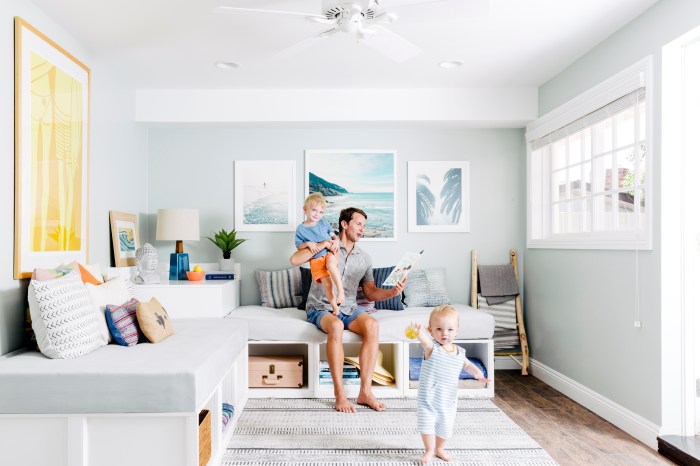
Ensuring the safety and security of children is of utmost importance in creating a nurturing and protective home environment. This involves taking proactive measures to prevent accidents and potential hazards, as well as establishing clear rules and boundaries to promote responsible behavior.
Securing Windows, Doors, and Furniture
To prevent accidental falls and unauthorized access, it’s crucial to secure windows and doors properly. Install sturdy locks, window guards, and door chains to deter potential intruders and ensure the safety of your child. Additionally, furniture should be secured to walls to prevent tipping over, especially items like bookshelves, dressers, and cabinets.
Childproofing Electrical Outlets, Sharp Corners, and Stairs
Electrical outlets, sharp corners, and stairs pose potential hazards to young children. To minimize risks, use outlet covers, corner guards, and stair gates to block access and prevent injuries. Keep electrical cords out of reach, and ensure sharp edges on furniture and countertops are covered or padded.
Child-Friendly Home Setup
Creating a safe and secure home environment for children involves making thoughtful choices about furniture and decor. Appropriate furniture and decor can help ensure children’s safety, comfort, and overall well-being.
Child-Friendly Furniture and Decor
When selecting furniture and decor for a child’s room or play area, it’s essential to consider the following factors:
- Safety: Choose furniture that is sturdy, stable, and free from sharp edges or protruding parts that could cause injury.
- Size: Opt for furniture that is appropriately sized for children’s needs. Kid-sized tables, chairs, and beds allow children to sit, play, and sleep comfortably.
- Durability: Select furniture made from durable materials that can withstand everyday use and wear and tear. This will ensure that the furniture lasts longer and remains safe for children.
- Easy to Clean: Choose furniture and decor that are easy to clean and maintain. This will help keep the child’s environment hygienic and free from allergens.
- Non-Toxic Materials: Ensure that the furniture and decor are made from non-toxic materials that are safe for children. Avoid furniture treated with harmful chemicals or paints that could emit fumes or cause allergic reactions.
Examples of Kid-Friendly Furniture:
- Tables and Chairs: Choose tables and chairs that are appropriately sized for children’s height. Look for furniture with rounded corners and smooth edges to prevent injuries.
- Beds: Select beds that are low to the ground to minimize the risk of falls. Consider beds with guardrails to prevent children from rolling out of bed.
- Storage Units: Opt for storage units that are easy for children to access and organize their belongings. Choose units with rounded corners and soft-closing drawers to prevent pinching.
- Playmats and Rugs: Use soft playmats or rugs in play areas to provide a comfortable and safe surface for children to play on.
Tips for Selecting Durable and Easy-to-Clean Materials:
- Wood: Solid wood furniture is durable and easy to clean. Choose furniture made from hardwoods like oak, maple, or cherry for increased durability.
- Laminate: Laminate furniture is a cost-effective option that is easy to clean and resistant to stains and scratches.
- Metal: Metal furniture is durable and easy to clean. However, ensure that metal furniture has rounded edges and no sharp corners.
- Plastic: Plastic furniture is lightweight and easy to clean. Choose plastic furniture made from high-quality, non-toxic materials.
- Upholstery: Choose upholstery fabrics that are durable, stain-resistant, and easy to clean. Opt for fabrics like leather, vinyl, or microfiber.
Creating a Safe and Secure Home Environment for Children
Creating a child-friendly home environment involves establishing dedicated play and activity spaces that cater to their physical, mental, and emotional development.
Play and Activity Spaces
Designing dedicated play and activity spaces for children offers numerous benefits, including encouraging creativity, imagination, and physical activity. These spaces provide opportunities for children to engage in play, explore their interests, and develop their skills.
When creating play and activity spaces, consider the following factors:
- Safety: Ensure the space is free from hazards, sharp objects, and potential choking hazards.
- Accessibility: Make sure the space is easily accessible and allows children to move around freely.
- Age-Appropriateness: Tailor the space to the child’s age, interests, and abilities.
- Variety: Incorporate a variety of activities and materials to keep children engaged.
- Educational and Creative Elements: Integrate educational and creative elements to foster learning and development.
Here are some ideas for designing playrooms, activity corners, and outdoor play areas:
- Playrooms: Designate a room or a dedicated space as a playroom. Fill it with toys, games, and activities that encourage creativity, imagination, and learning.
- Activity Corners: Create activity corners in different rooms of the house. These corners can include a reading nook, an art and craft station, or a quiet space for relaxation.
- Outdoor Play Areas: If you have a backyard or a patio, create an outdoor play area with swings, slides, and other outdoor activities.
To incorporate educational and creative elements into play spaces, consider the following:
- Educational Toys: Choose toys and games that promote learning and development, such as puzzles, building blocks, and educational games.
- Art and Craft Supplies: Provide art and craft supplies like paints, crayons, and clay to encourage creativity and self-expression.
- Books and Reading Nook: Create a cozy reading nook with a collection of books that cater to the child’s interests and age.
- Sensory Play: Incorporate sensory play activities like water tables, sandboxes, and sensory bins to stimulate the child’s senses.
Creating a Safe and Secure Home Environment for Children
In a child-friendly home, maintaining a well-organized and clutter-free environment is crucial for their safety, comfort, and overall well-being. By creating designated storage solutions and promoting tidiness, you can establish a space that supports their growth, development, and learning.
Storage and Organization
A well-organized home environment provides numerous benefits for children. It enhances their independence, promotes a sense of order and responsibility, and helps them learn organizational skills that will serve them well throughout their lives. Moreover, a clutter-free space reduces the risk of accidents and injuries, ensuring a safer environment for children to play and explore.
To create effective storage solutions, consider the following tips:
- Designated Storage Areas: Establish specific areas for different types of belongings, such as toys, books, clothes, and school supplies. This will help children learn where things belong, making it easier for them to keep their spaces tidy.
- Clear Labeling: Use clear labels or pictures to identify storage containers and shelves. This helps children quickly find what they are looking for and promotes independence.
- Vertical Storage: Maximize vertical space by using shelves, pegboards, and wall-mounted organizers. This keeps items off the floor and makes them more accessible to children.
- Open Storage: Incorporate open storage options, such as baskets and bins, to encourage children to put things away independently. Avoid using cabinets with doors that may be difficult for them to open.
- Multipurpose Furniture: Choose furniture pieces that serve multiple purposes, such as storage ottomans and beds with built-in drawers. This helps maximize space and keep clutter at bay.
In addition to these general tips, consider specific storage ideas for different areas of your home:
- Playrooms: Create designated storage areas for toys, games, and art supplies. Use clear containers or shelves to keep items organized and easily accessible.
- Bedrooms: Provide ample storage space for clothes, bedding, and personal belongings. Consider using under-bed storage containers to maximize space.
- Common Areas: Keep common areas tidy by providing storage solutions for everyday items, such as books, magazines, and electronics. Use baskets or ottomans with built-in storage to keep clutter under control.
By implementing these storage and organization strategies, you can create a safe and secure home environment that supports your child’s growth and development while fostering a sense of independence and responsibility.
Creating a Child-Friendly Home Setup
Children thrive in environments that are both safe and stimulating. By creating a home that is tailored to their needs and preferences, parents can help their children feel comfortable, secure, and happy.
Color and Ambiance:
The colors and ambiance of a child’s room can have a significant impact on their mood and behavior. Warm colors, such as yellow, orange, and red, are often associated with happiness and energy, while cool colors, such as blue, green, and purple, are often associated with calmness and relaxation.
When choosing a color palette for a child’s room, it is important to consider their personality and preferences. For example, a child who is easily overwhelmed may prefer a room with a calming color scheme, while a child who is shy may prefer a room with a more stimulating color scheme.In
addition to color, the ambiance of a child’s room can also be influenced by lighting, decor, and soft furnishings. Soft lighting can create a warm and inviting atmosphere, while bright lighting can be stimulating and energizing. Soft furnishings, such as pillows, blankets, and rugs, can also add to the comfort and coziness of a child’s room.
Technology and Entertainment in a Kid-Friendly Home Setup
Technology and entertainment play a significant role in creating a kid-friendly home setup. They can provide educational opportunities, promote creativity, and offer safe and engaging entertainment options for children of different ages. However, it’s important to approach technology and entertainment with a balanced and responsible approach to ensure a positive and safe experience for children.
Selecting Age-Appropriate Electronic Devices
When selecting electronic devices for children, consider their age, developmental stage, and interests. Age ratings and recommendations provided by manufacturers and experts can be helpful guidelines. Choose devices that are durable, easy to use, and have parental control features to manage screen time and content access.
Educational Software and Games
Educational software and games can be a great way to engage children in learning while having fun. Look for software and games that align with their school curriculum, interests, and learning styles. Encourage children to explore educational apps and games that promote problem-solving, creativity, and critical thinking skills.
Creating a Dedicated Entertainment Area
Designating a specific area or room in the home as an entertainment space for children can help manage screen time and create a sense of routine. This dedicated space can include comfortable seating, a television, gaming consoles, and a library of age-appropriate books and toys.
Encourage children to use this space for entertainment and relaxation.
Encouraging Artistic Expression and Creativity in Children

Fostering creativity and artistic expression in children is crucial for their development. It allows them to explore their imaginations, develop problem-solving skills, and express themselves in unique ways. By creating a home environment that encourages creativity, parents can help their children thrive and grow.
Art Stations and Craft Corners
- Designate a dedicated space in the home for art and craft activities.
- Stock the area with a variety of art supplies, such as paints, markers, crayons, clay, and construction paper.
- Encourage children to use their imaginations and experiment with different materials and techniques.
- Display their artwork proudly to show your appreciation and support their creative efforts.
Music Spaces
- Create a music corner or room where children can play instruments, sing, or dance.
- Provide them with age-appropriate instruments, such as a piano, guitar, or drums.
- Encourage them to explore different genres of music and express themselves through rhythm and melody.
- Attend local concerts or music classes together to spark their interest and passion for music.
Exploring Different Art Forms
- Expose children to various art forms, including painting, drawing, sculpture, photography, and digital art.
- Take them to art galleries, museums, and exhibitions to broaden their horizons and inspire their creativity.
- Encourage them to try different art forms and find the ones they enjoy the most.
Expressing Creativity
- Provide opportunities for children to express their creativity through storytelling, writing, and imaginative play.
- Encourage them to create their own stories, poems, or songs.
- Set up a drama corner or puppet theater where they can act out their ideas and express themselves through performance.
Health and Well-being
Creating a healthy and supportive home environment for children is crucial for their physical, mental, and emotional well-being. A nurturing home promotes healthy habits, encourages active lifestyles, and ensures adequate rest, contributing to children’s overall development and success.
Fostering a healthy home environment involves:
Healthy Eating Environment
Establishing a healthy eating environment helps children develop lifelong healthy eating habits. Encourage a balanced diet rich in fruits, vegetables, whole grains, and lean protein. Limit processed foods, sugary drinks, and unhealthy fats. Provide regular meals and snacks to maintain a consistent eating schedule.
Physical Activity
Regular physical activity is vital for children’s growth and development. Encourage active play and outdoor activities. Create opportunities for movement throughout the day, such as family walks, bike rides, or indoor games. Limit screen time and promote active hobbies like sports, dance, or martial arts.
Adequate Sleep
Adequate sleep is essential for children’s physical and mental well-being. Establish a consistent bedtime routine to promote restful sleep. Create a sleep-conducive environment by maintaining a cool, dark, and quiet room. Avoid caffeine and screen time before bedtime.
Healthy Habits and Routines
Incorporate healthy habits and routines into children’s daily lives. Encourage regular handwashing, dental hygiene, and personal hygiene practices. Teach children about the importance of staying hydrated by drinking plenty of water throughout the day. Model healthy behaviors and make them a family affair.
Last Word

A kid-friendly home setup is not just a collection of furniture and decor; it’s a nurturing environment that fosters safety, creativity, and overall well-being. By carefully considering each element, from safety measures to entertainment options, we can create spaces where children can flourish and grow, making memories that will last a lifetime.
