
Are you ready to embark on a home renovation journey? Before you pick up that hammer or start browsing through paint swatches, it’s crucial to have a solid plan in place. Welcome to our comprehensive Home Renovation Planning Guide, where we will take you through every step of the process, from assessing your needs to managing costs and ensuring quality.
Whether you’re looking to create more space, enhance aesthetics, or improve energy efficiency, this guide will equip you with the knowledge and tools to turn your vision into reality.
Introduction to Home Renovation Planning Guide
Planning is an essential step before embarking on any home renovation project. It sets the foundation for a successful and smooth renovation journey. By taking the time to plan, homeowners can avoid unnecessary stress, delays, and costly mistakes. Having a renovation plan offers numerous benefits.
Firstly, it allows homeowners to clearly define their goals and expectations for the project. This helps in making informed decisions about the design, materials, and budget. A well-thought-out plan ensures that all aspects of the renovation are considered and nothing is overlooked.Without
proper planning, homeowners are more likely to make common mistakes that can impact the outcome of the project. For example, not having a clear budget can lead to overspending or running out of funds midway through the renovation. Lack of research and understanding about the renovation process may result in choosing the wrong materials or hiring unreliable contractors.
Importance of Setting a Budget
Before diving into any home renovation project, it is crucial to set a realistic budget. This budget will determine the scope of the renovation and help prioritize the areas that need attention. A well-defined budget also serves as a guide to avoid overspending and ensures that the project stays within financial limits.
- Research the cost of materials and labor in order to estimate the budget accurately.
- Consider additional expenses such as permits, design fees, and unexpected contingencies.
- Allocate funds for unexpected expenses, as they are common in renovation projects.
- Consult with professionals to get a better understanding of the costs involved.
Importance of Research and Planning
Researching and planning are crucial steps in any home renovation project. They provide homeowners with a solid foundation of knowledge and understanding, enabling them to make informed decisions throughout the process.
- Research different design styles, materials, and finishes to determine what suits your preferences and budget.
- Plan the layout and functionality of the renovated space to optimize its usability and flow.
- Consider the long-term maintenance and durability of materials to ensure the renovation lasts.
- Research reputable contractors and obtain multiple quotes to ensure you find the right professionals for the job.
Importance of Timelines
Creating a realistic timeline is essential for a smooth renovation process. It helps in coordinating various tasks and ensures that the project stays on track.
- Break down the renovation project into different phases and assign timeframes to each phase.
- Consider any external factors that may impact the timeline, such as permits or availability of contractors.
- Allow for some buffer time to account for unexpected delays or issues that may arise.
- Regularly communicate with contractors and suppliers to ensure everyone is aware of the timeline and deadlines.
Assessing Your Needs and Setting Goals
Assessing your needs and setting goals are crucial steps in the home renovation planning process. By understanding what you truly need and want to achieve, you can ensure that your renovation project will be successful and aligned with your vision.
Here are some tips to help you assess your needs and determine your renovation goals.
The Importance of Considering Your Budget and Timeline
Before diving into any renovation project, it is essential to consider your budget and timeline. Knowing how much you can afford to spend and how long you can allocate for the renovation will help you make informed decisions and avoid unnecessary stress.
- Start by determining your budget. Consider factors such as the cost of materials, labor, permits, and any unexpected expenses that may arise during the renovation. It is advisable to set aside a contingency fund to cover any unforeseen costs.
- Next, establish a realistic timeline for your renovation project. Take into account the scope of work, availability of contractors, and any other factors that may affect the progress of the project. Keep in mind that renovations often take longer than expected, so it is wise to add some buffer time to your timeline.
- By carefully considering your budget and timeline, you can ensure that your renovation goals are achievable and within your means.
Examples of Different Renovation Goals
Renovation goals can vary depending on individual needs and preferences. Here are some examples of common renovation goals based on specific needs:
- Creating More Space: If you feel that your current living space is cramped or lacks functionality, a renovation aimed at creating more space can be the solution. This can involve knocking down walls, adding extensions, or reconfiguring existing rooms to maximize the available space.
- Improving Energy Efficiency: With the rising cost of energy and increasing environmental concerns, improving energy efficiency has become a popular renovation goal. This can include upgrading insulation, installing energy-efficient appliances, or implementing sustainable energy solutions such as solar panels.
- Enhancing Aesthetics: If you are looking to update the look and feel of your home, enhancing aesthetics can be a primary renovation goal. This may involve repainting walls, replacing flooring, upgrading fixtures and fittings, or incorporating new design elements that reflect your personal style.
These are just a few examples, and your renovation goals may be a combination of different objectives. It is essential to assess your needs and prioritize your goals based on what is most important to you and aligns with your budget and timeline.Remember,
planning is key when it comes to home renovations. By assessing your needs and setting clear goals, you can embark on a successful renovation journey that transforms your house into your dream home.
Creating a Budget
Creating a budget is an essential step in the home renovation planning process. It helps you determine how much you can afford to spend and ensures that you allocate funds wisely. Here are the steps involved in creating a renovation budget:
Step 1: Assess Your Finances
Before you start allocating funds for your renovation, take a close look at your finances. Evaluate your income, savings, and any other sources of funding. It’s essential to have a clear understanding of how much money you have available for your renovation project.
Step 2: Determine Your Priorities
Next, determine your renovation priorities. Identify the areas of your home that require the most attention and decide how much you are willing to spend on each aspect. This will help you allocate your funds effectively and avoid overspending.
Step 3: Research Costs
Once you have determined your priorities, research the costs associated with each aspect of your renovation. Get quotes from contractors, suppliers, and other professionals to get an accurate idea of how much each component will cost. This will help you set realistic budget targets.
Step 4: Allocate Funds
Based on your priorities and the research you have done, allocate funds to each aspect of your renovation. Create a detailed budget plan that Artikels how much you are willing to spend on each component, such as materials, labor, permits, and contingency funds.
Step 5: Track Expenses
Throughout the renovation process, it’s crucial to track your expenses. Keep a record of all the money you spend, including receipts and invoices. This will help you stay on top of your budget and identify any areas where you may be overspending.
Factors to Consider when Allocating Funds
When allocating funds for different aspects of your renovation, there are several factors to consider. These include:
- The condition of the existing structure
- The complexity of the renovation project
- The quality of materials you wish to use
- The labor costs involved
- Any additional fees or permits required
It’s important to weigh these factors carefully and allocate funds accordingly. For example, if your existing structure requires significant repairs, you may need to allocate more funds to ensure its stability before moving on to cosmetic upgrades.
Tips for Prioritizing Expenses and Avoiding Overspending
To prioritize expenses and avoid overspending, consider the following tips:
- Focus on essential repairs and upgrades first before moving on to cosmetic enhancements.
- Set a realistic budget and stick to it. Avoid the temptation to overspend on unnecessary items.
- Research and compare prices from different suppliers to get the best deals on materials.
- Get multiple quotes from contractors to ensure you are getting a fair price for labor.
- Have a contingency fund in case unexpected expenses arise during the renovation process.
By following these tips, you can ensure that you prioritize your expenses effectively and avoid overspending during your home renovation.
Researching and Hiring Professionals
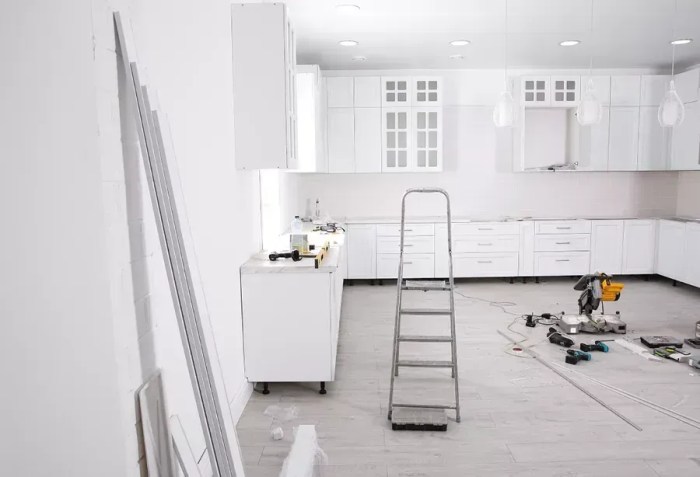
Researching and hiring the right professionals for your renovation project is crucial to ensuring its success. Professionals such as contractors and designers play a vital role in bringing your vision to life and ensuring that the project is executed efficiently and effectively.
Here are some key points to consider when researching and hiring professionals for your home renovation:
Questions to Ask Potential Contractors or Designers
Before making a decision, it is important to ask potential contractors or designers a series of questions to assess their suitability for your project. Consider including the following questions in your checklist:
- How many years of experience do you have in this field?
- Can you provide references from previous clients?
- Are you licensed and insured?
- What is your approach to project management?
- Can you provide a detailed timeline and estimate for the project?
- How do you handle unexpected challenges or changes in the scope of work?
- What is your preferred method of communication?
Tips for Comparing Quotes and Selecting the Best Professionals
Once you have received quotes from multiple professionals, it is important to compare them thoroughly to make an informed decision. Here are some tips to help you in this process:
- Compare the scope of work Artikeld in each quote. Ensure that all professionals are providing a detailed breakdown of the work they will be doing.
- Consider the overall cost of the project, including any additional fees or charges that may be incurred.
- Look for professionals who have a proven track record of delivering high-quality work within budget and on time.
- Read reviews and testimonials from previous clients to gauge their satisfaction with the professional’s work.
- Trust your instincts and choose professionals who you feel comfortable communicating and collaborating with.
Remember, investing time and effort in researching and hiring the right professionals will greatly contribute to the success of your home renovation project. By asking the right questions and comparing quotes, you can ensure that you select the best professionals who understand your vision and can bring it to life.
Designing and Planning the Renovation
Creating a design plan for your renovation is a crucial step in ensuring a successful and satisfying outcome. This process involves careful consideration of various factors, including functionality, aesthetics, and practicality.
Considering Functionality, Aesthetics, and Practicality
When designing your renovation, it is important to strike a balance between functionality, aesthetics, and practicality. Here are some key points to keep in mind:
- Functionality: Consider how the space will be used and ensure that the design meets your specific needs. Think about the flow of the space, accessibility, and convenience.
- Aesthetics: Take into account your personal style and preferences when choosing colors, materials, and finishes. Consider the existing design elements in your home and aim for a cohesive and visually appealing result.
- Practicality: Think about the long-term maintenance and durability of the materials and fixtures you choose. Consider factors such as ease of cleaning, resistance to wear and tear, and energy efficiency.
It is important to strike a balance between these three aspects to create a design plan that not only looks great but also functions well and suits your lifestyle.
Working with Designers or Architects
Collaborating with designers or architects can greatly help in bringing your vision to life. Here are some tips to ensure a successful partnership:
- Clearly communicate your goals and expectations to the designer or architect. Provide them with any inspiration or ideas you have collected to help them understand your vision.
- Listen to their professional advice and expertise. Designers and architects have a wealth of knowledge and experience in creating functional and aesthetically pleasing spaces.
- Be open to suggestions and compromises. It is important to maintain a collaborative approach and be willing to make adjustments to the design plan based on their recommendations.
- Establish a clear timeline and budget with the designer or architect. This will help keep the project on track and ensure that everyone is on the same page.
- Regularly communicate and provide feedback throughout the design process. This will help address any concerns or changes that may arise and ensure that the final design meets your expectations.
By working closely with designers or architects, you can leverage their expertise and creativity to create a design plan that transforms your renovation ideas into a reality.
Obtaining Permits and Approvals
Obtaining the necessary permits and approvals is a crucial step in any renovation project. It ensures that your project complies with local regulations and building codes, and it helps to protect the safety and integrity of your home. Without the proper permits and approvals, you may face fines, legal issues, or even the need to undo the work you have already done.
Types of Permits and Approvals
Different types of renovations may require different permits and approvals. Some common examples include:
- Building permits: These are typically required for structural changes, additions, or significant alterations to your home.
- Electrical permits: If your renovation involves electrical work, such as installing new wiring or upgrading your electrical system, you will likely need an electrical permit.
- Plumbing permits: If you are making changes to your plumbing system, such as adding new fixtures or rerouting pipes, a plumbing permit may be necessary.
- Permits for exterior changes: If your renovation involves changes to the exterior of your home, such as adding a deck or installing a swimming pool, you may need permits specific to those types of projects.
It is important to consult with your local building department or permit office to determine the specific permits and approvals required for your renovation project. They will be able to provide you with the necessary information and guide you through the application process.
Navigating the Permit Application Process
The permit application process can vary depending on your location, but there are some general steps to keep in mind:
- Research local requirements: Start by researching the permit requirements in your area. This information is often available on the website of your local building department or permit office.
- Prepare the necessary documents: Gather all the required documents for your permit application, such as detailed plans, specifications, and any supporting documentation.
- Complete the application: Fill out the permit application form accurately and provide all the requested information. Be sure to include any fees that may be required.
- Submit the application: Once your application is complete, submit it to the appropriate department or office. You may need to make an appointment or drop off the application in person.
- Wait for approval: The permit approval process can take some time, so be patient. During this time, the department may review your application, conduct inspections, or request additional information.
- Comply with regulations: Once you receive your permit, make sure to follow all the regulations and guidelines Artikeld in the approval. This includes using licensed professionals when necessary and scheduling inspections as required.
It is important to note that the process and requirements for obtaining permits and approvals can vary greatly depending on your location. It is always best to consult with your local building department or permit office for the most accurate and up-to-date information.Remember,
obtaining the necessary permits and approvals is not only a legal requirement but also an essential step in ensuring the success and safety of your renovation project. By following the proper procedures and complying with local regulations, you can avoid potential issues and enjoy a smooth and successful renovation.
Creating a Timeline and Schedule
Creating a realistic timeline and schedule for your renovation project is crucial for its success. It helps you stay organized, manage resources effectively, and ensure that the project is completed within the desired timeframe. Here are some tips to help you create a timeline and schedule that works for you.
Breaking Down the Project
Before creating a timeline, it is important to break down the renovation project into smaller tasks or phases. This allows you to have a clear understanding of what needs to be done and helps you set realistic deadlines for each phase.
For example, if you are renovating a kitchen, you can break down the project into tasks like demolishing the existing cabinets, installing new flooring, and painting the walls.
- Start by listing all the tasks that need to be completed for your renovation project.
- Arrange the tasks in a logical order, taking into consideration any dependencies or prerequisites.
- Estimate the time required for each task based on your experience or by consulting professionals.
- Set deadlines for each task, keeping in mind the overall timeline for the project.
Considering Potential Delays
When creating a timeline, it is important to consider potential delays that may arise during the renovation process. Delays can be caused by various factors such as unexpected issues, weather conditions, or availability of materials. It is essential to allow for flexibility in the schedule to accommodate these delays.
- Include buffer time in your timeline to account for potential delays.
- Research common issues or challenges that may arise during your specific type of renovation project.
- Consult professionals or experienced individuals to get an idea of the possible time required for each task.
- Communicate with your contractor or renovation team to ensure they are aware of the importance of sticking to the schedule.
Setting Realistic Deadlines
Setting realistic deadlines is crucial for a successful renovation project. It helps you manage expectations, allocate resources effectively, and ensure that the project stays on track. Here are some tips for setting realistic deadlines:
- Consider the complexity and scope of each task when setting deadlines.
- Take into account any external factors that may affect the timeline, such as holidays or other events.
- Break down larger tasks into smaller sub-tasks and set deadlines for each sub-task.
- Allocate sufficient time for tasks that require specialized skills or equipment.
- Regularly review and revise the timeline as the project progresses to ensure it remains realistic.
Creating a timeline and schedule for your renovation project requires careful planning and consideration. By breaking down the project, considering potential delays, and setting realistic deadlines, you can ensure a smooth and successful renovation process.
Managing the Renovation Process

Renovating your home can be an exciting but challenging process. To ensure a successful renovation, it is important to effectively manage the project from start to finish. Here are some strategies for managing the renovation process:
Communicating with Contractors, Suppliers, and Other Professionals
When working with contractors, suppliers, and other professionals involved in your renovation project, clear and open communication is key. Here are some tips to effectively communicate with them:
- Establish clear expectations: Clearly communicate your goals, timeline, and budget to all parties involved. Make sure everyone is on the same page from the beginning.
- Regularly communicate updates: Keep all stakeholders informed of the progress and any changes or challenges that may arise during the renovation. This will help manage expectations and prevent misunderstandings.
- Ask questions: If you have any doubts or concerns, don’t hesitate to ask for clarification. It’s better to address any issues early on rather than letting them escalate.
- Be responsive: Respond promptly to any requests or inquiries from contractors, suppliers, or other professionals. This will help maintain a smooth flow of communication and keep the project on track.
- Document everything: Keep a record of all communication, including agreements, contracts, and receipts. This will help resolve any disputes or issues that may arise later on.
Addressing Unexpected Challenges or Changes
During a renovation, unexpected challenges or changes are bound to happen. Here are some tips on how to address them effectively:
- Stay flexible: Be prepared to adapt to changes and make necessary adjustments to the renovation plans. This may include reevaluating the budget, timeline, or design if unexpected issues arise.
- Consult professionals: If you encounter a challenge that you’re unsure how to handle, don’t hesitate to seek advice from professionals. They can provide guidance and help you find the best solution.
- Communicate with stakeholders: Keep all parties involved informed of any changes or challenges that may impact the project. This will help manage expectations and prevent any delays or misunderstandings.
- Stay organized: Keep track of any changes or challenges that occur during the renovation. This will help you stay organized and ensure that everything is properly addressed and resolved.
- Have a contingency plan: It’s always a good idea to have a contingency plan in place for unexpected challenges or changes. This can help minimize disruptions and keep the renovation project on track.
Remember, effective management of the renovation process involves clear communication, flexibility, and proactive problem-solving. By following these strategies, you can ensure a smooth and successful home renovation.
Choosing Materials and Finishes
When it comes to selecting materials and finishes for your renovation, there are several factors to consider. Not only do you want to choose materials that are aesthetically pleasing, but you also want to ensure they are durable and high-quality.
Additionally, you’ll need to find materials that fit within your budget. Here are some tips to help you make the best choices for your renovation project.
Factors to Consider
Before choosing materials and finishes, it’s important to assess the specific needs of your renovation project. Consider factors such as the function of the space, the amount of traffic it will receive, and any specific requirements or restrictions you may have.
For example, if you’re renovating a kitchen, you’ll want to choose materials that are resistant to heat, moisture, and stains.
Choosing Durable and High-Quality Materials
When it comes to durability and quality, it’s important to do your research. Look for materials that are known for their longevity and resistance to wear and tear. Consider materials that are easy to clean and maintain, as this will help prolong their lifespan.
Additionally, read reviews and seek recommendations from professionals to ensure you’re choosing reputable brands and suppliers.
Examples of Materials and Finishes
Here are some examples of different materials and finishes commonly used in renovation projects:
1. Flooring
Hardwood
A classic and durable option that adds warmth and elegance to any space.
Laminate
A budget-friendly alternative that mimics the look of hardwood.
Tile
A versatile option available in a wide range of colors, patterns, and materials.
2. Countertops
Granite
A popular choice known for its durability and natural beauty.
Quartz
A low-maintenance option that is resistant to stains and scratches.
Laminate
An affordable choice available in various designs and colors.
3. Paint
Latex
A versatile and easy-to-use option that comes in a wide range of colors.
Oil-based
A more durable choice that is suitable for high-traffic areas.
Eco-friendly
Paints that are low in volatile organic compounds (VOCs) and environmentally friendly.Remember, the materials and finishes you choose will greatly impact the overall look and functionality of your renovation project. Take your time to research and consider all the options available to you, and don’t hesitate to consult with professionals for their expertise and advice.
Ensuring Safety and Quality

Renovating your home is an exciting project, but it’s crucial to prioritize safety and quality throughout the process. By doing so, you can ensure that your renovation not only looks great but also meets the necessary building codes and regulations.
Here are some tips to help you achieve this:
Prioritizing Compliance with Building Codes and Regulations
It is essential to familiarize yourself with the building codes and regulations in your area before starting any renovation project. These codes are in place to ensure the safety and structural integrity of your home. Here are some ways to ensure compliance:
- Research and understand the specific building codes and regulations that apply to your renovation project. This information can usually be obtained from your local building department.
- Consult with professionals such as architects, contractors, or engineers who are knowledgeable about building codes. They can guide you on how to meet the requirements.
- Obtain the necessary permits and approvals before starting the renovation. This ensures that your project will be inspected and approved by the appropriate authorities.
- Regularly communicate with your local building department to address any questions or concerns regarding compliance.
Choosing Reputable Contractors and Suppliers
To ensure quality workmanship and materials in your renovation, it’s important to choose reputable contractors and suppliers. Here are some steps you can take to make the right choices:
- Research and gather recommendations from friends, family, or neighbors who have had successful renovation projects.
- Check the contractor’s credentials, licenses, and certifications to ensure they are qualified and experienced.
- Read reviews and testimonials from previous clients to get an idea of the contractor’s reputation and the quality of their work.
- Ask for references and contact them to inquire about their experience working with the contractor.
- Obtain multiple quotes from different contractors to compare prices and services. However, be cautious of overly low prices, as they may indicate subpar workmanship or the use of inferior materials.
- Request a detailed contract that includes project timelines, payment schedules, and warranties to protect your interests.
Remember, prioritizing safety and quality in your renovation project will not only give you peace of mind but also increase the value and enjoyment of your home in the long run.
Managing Costs and Contingencies
When it comes to home renovations, managing costs is a crucial aspect of ensuring the project stays within budget. Unexpected expenses can arise during the renovation process, so it’s important to be prepared and have a plan in place. Here are some strategies for managing costs and dealing with unexpected expenses:
Setting Aside a Contingency Fund
It’s always wise to set aside a contingency fund for unforeseen circumstances. This fund should be separate from your renovation budget and should account for around 10-20% of the total project cost. Having a contingency fund ensures that you have financial flexibility in case unexpected expenses arise.
It can help you avoid going over budget and experiencing unnecessary stress.
Negotiating Prices and Finding Cost-Effective Alternatives
Negotiating prices with contractors and suppliers can be a valuable strategy for managing costs. Don’t be afraid to ask for discounts or explore alternative options that may be more affordable. Additionally, consider sourcing materials and products from different suppliers to compare prices and find the best deals.
However, keep in mind that while cost-effectiveness is important, compromising on quality may lead to additional expenses in the long run.
Planning and Budgeting Carefully
Creating a detailed plan and budget for your renovation project is crucial for managing costs effectively. Take the time to research and gather accurate cost estimates for materials, labor, and any other expenses involved. Be realistic about what you can afford and prioritize your needs accordingly.
By having a well-thought-out plan and budget, you can make informed decisions and avoid overspending.
Monitoring and Tracking Expenses
Throughout the renovation process, it’s important to monitor and track your expenses closely. Keep a record of all receipts and invoices, and regularly compare them to your budget. This will help you identify any areas where you may be overspending or need to make adjustments.
By staying organized and proactive, you can address any financial concerns promptly and make necessary changes to stay on track.
Seeking Professional Advice
If you’re unsure about managing costs or dealing with unexpected expenses, it’s always beneficial to seek professional advice. Consult with a financial advisor or a contractor who specializes in renovations. They can provide valuable insights and guidance on how to effectively manage your finances throughout the renovation process.Remember,
managing costs and dealing with unexpected expenses is an ongoing process. By being proactive, budget-conscious, and adaptable, you can navigate the financial aspects of your home renovation with confidence.
Outcome Summary
In conclusion, embarking on a home renovation project can be both exciting and overwhelming. However, with the right planning and guidance, you can navigate the process smoothly and achieve your desired results. Remember to assess your needs, create a budget, hire professionals wisely, and prioritize safety and quality.
By following our Home Renovation Planning Guide, you’ll be well-prepared to tackle any challenges that may arise and create the home of your dreams. Get ready to transform your space and embark on a rewarding renovation journey!
